
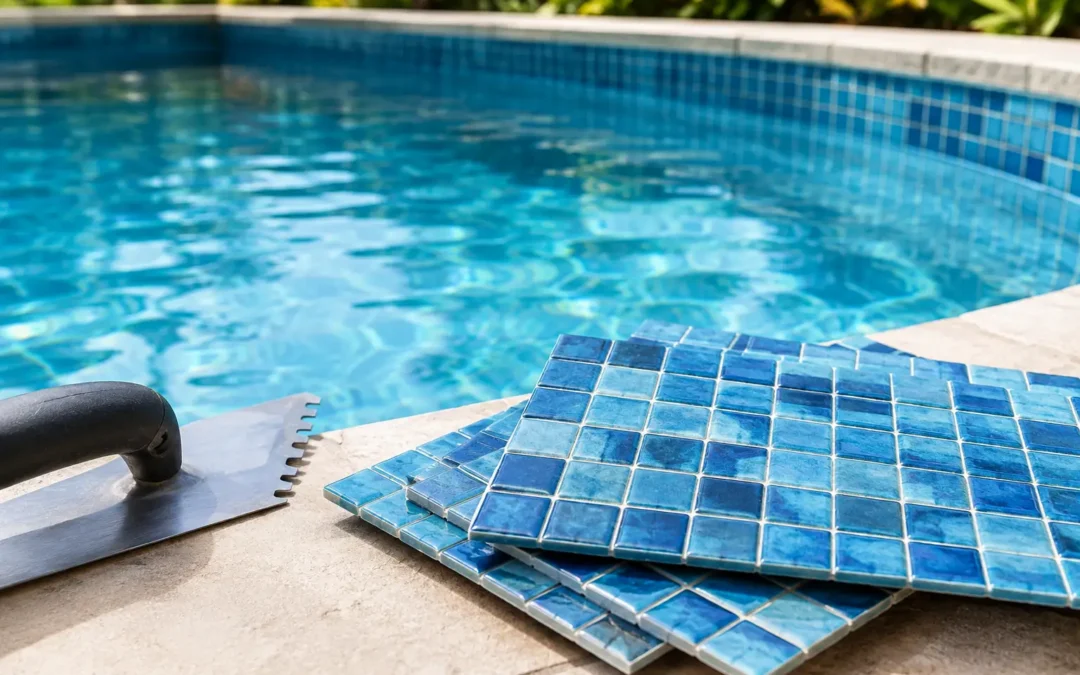
A loose waterline tile can look like a small cosmetic issue, but it often points to a larger problem developing behind the pool finish. Pool tile replacement gives Jacksonville homeowners a chance to correct failing materials, refresh an outdated design, and protect the polished appearance that makes a backyard feel complete.
The right approach depends on what is happening beneath the surface. A few isolated tiles may be repairable. Widespread cracking, hollow-sounding tile, deteriorated grout, or recurring tile loss may call for a more complete renovation plan. A qualified pool professional can identify the cause and recommend a solution that fits the pool’s condition, your design goals, and the way your family uses the space.
Signs Your Pool Tile Needs Attention
Pool tile is built to handle constant water exposure, chemicals, sunlight, and changing temperatures. Even premium materials have a service life, particularly when installation issues, water chemistry problems, or aging finishes are involved.
Visible cracks, missing pieces, and stains that no longer respond to cleaning are easy signs to spot. Homeowners should also watch for tiles that shift when pressed, grout joints that are crumbling, or a white, chalky buildup around the waterline. That buildup may be calcium scale, which is common in Florida pools and can become difficult to remove without affecting the tile surface or grout.
Tile that sounds hollow when tapped can indicate that the bond behind it is failing. This does not always mean every tile needs to come out, but it does deserve a professional evaluation. Waiting can allow water to work behind the tile line, loosen adjacent pieces, and turn a contained repair into a larger project.
When Pool Tile Replacement Makes More Sense Than Repair
A targeted repair is often the practical choice when damage is limited to a few tiles and matching materials are still available. It can restore the pool’s appearance without expanding the scope of work unnecessarily.
Full pool tile replacement is usually the better investment when the tile has widespread damage, the original style is discontinued, or the pool is already due for resurfacing. Replacing tile during a renovation allows the new waterline, interior finish, coping, and deck accents to work together rather than looking like separate updates completed years apart.
It also makes sense when the pool’s look no longer matches the home or backyard. Many established Jacksonville properties have pools with dated blue band tile, faded patterns, or narrow waterlines that no longer complement updated patios and outdoor kitchens. A new tile selection can create a cleaner, more intentional design without changing the entire pool shape.
The key is not to replace materials simply because they are old. It is to make a sound decision based on condition, compatibility, and the long-term value of the renovation. A well-planned project avoids spending money on isolated patchwork when a coordinated update would provide a better result.
Choosing Tile for Jacksonville Pool Conditions
Tile should look exceptional, but beauty is only one part of the decision. Florida sun, frequent use, pool chemicals, and waterline scaling all affect how a material performs over time.
Porcelain and ceramic tile are popular choices for their durability, broad range of colors, and reliable performance in a pool environment. Glass tile offers depth, light reflection, and a more elevated visual effect, especially in contemporary designs. It can be an excellent choice for feature walls, raised spas, and waterline applications, though it may require a larger investment and careful installation.
Color matters more than many homeowners expect. Darker tile can create a dramatic, upscale waterline and coordinate beautifully with modern coping. Lighter tones often produce a more coastal, open feel. Blue and aqua finishes remain classic for a reason, while textured neutrals, deep ocean shades, and mixed glass mosaics can give a renovated pool a more custom appearance.
Consider how the tile will pair with the surrounding materials. Travertine decking, natural stone coping, pavers, painted stucco, and outdoor cabinetry all influence the final palette. The most successful pool renovations treat the waterline as part of the complete backyard design, not as an isolated strip of material.
Waterline Tile, Accent Tile, and Spillway Details
Waterline tile is the most common replacement scope, but it is not the only opportunity. A raised spa spillway, tanning ledge accent, sheer descent wall, or fire feature surround can benefit from matching or complementary tile.
There is a balance to strike. Using one tile consistently can create a timeless, cohesive result. Introducing a second accent material can add dimension and help a focal point stand out. Too many patterns or competing colors, however, can make even premium materials feel busy. A custom design plan helps homeowners choose details that will still look refined years from now.
What the Replacement Process Typically Involves
Professional tile replacement begins with an inspection of the existing waterline, grout, pool shell, coping, and interior finish. The goal is to understand whether the issue is limited to tile adhesion or connected to broader renovation needs.
For a full replacement, the crew drains the pool when needed and carefully removes the existing tile. Surface preparation is critical. Old setting material, damaged areas, and loose substrate must be addressed before new tile is installed. Skipping this step may produce a fast visual improvement, but it compromises the long-term durability homeowners expect from a quality renovation.
Once the new tile is set and properly cured, grout and finishing work are completed. If the pool is being resurfaced, the sequencing of tile, coping, and interior finish is coordinated so each material meets cleanly and performs as intended. The pool is then refilled, balanced, and prepared for regular use.
The schedule depends on the size of the pool, the tile selected, weather conditions, and whether other improvements are included. A waterline tile update alone may be straightforward, while a full remodel involving new coping, plaster, lighting, and equipment naturally takes more planning. Clear communication before work begins helps set the right expectations for the project.
Pair Tile Replacement With Upgrades That Add Value
If a pool is already being drained and renovated, homeowners often choose to address other aging elements at the same time. Combining compatible improvements can reduce disruption and create a more complete final result.
New coping can sharpen the pool’s edge and provide a better transition to the deck. Resurfacing can restore a worn, stained, or rough interior finish. Updated LED lighting improves nighttime visibility and ambiance, while modern variable-speed equipment can enhance efficiency and day-to-day performance.
Not every project needs all of these upgrades. A pool with a sound interior and good equipment may only need tile and minor grout work. But when several elements are nearing the end of their useful life, completing the work together can be more cost-effective than scheduling separate projects over several years.
Protecting New Tile After Installation
New tile does not require complicated care, but consistent pool maintenance matters. Proper water balance helps prevent excessive calcium buildup, etching, and premature grout deterioration. Regular brushing at the waterline can keep oils, sunscreen residue, and early scale deposits from becoming difficult to remove.
Avoid aggressive cleaning methods or harsh products unless they are appropriate for the specific tile and grout. Glass, porcelain, ceramic, and natural-stone adjacent materials can have different care needs. If stubborn scale returns quickly, the underlying water chemistry should be reviewed rather than repeatedly treating the visible symptom.
A professionally installed tile line should provide years of dependable performance. Still, prompt attention to loose grout, a newly cracked tile, or recurring scale can help preserve the investment and keep a minor concern from becoming a renovation issue.
For homeowners planning a more polished, durable backyard, Bonafide Custom Pools can help evaluate the condition of an existing pool and shape a renovation plan around the details that matter most. The best tile choice is not simply the one that catches the eye in a showroom. It is the one that fits your pool, your home, and the years of family time still ahead.