
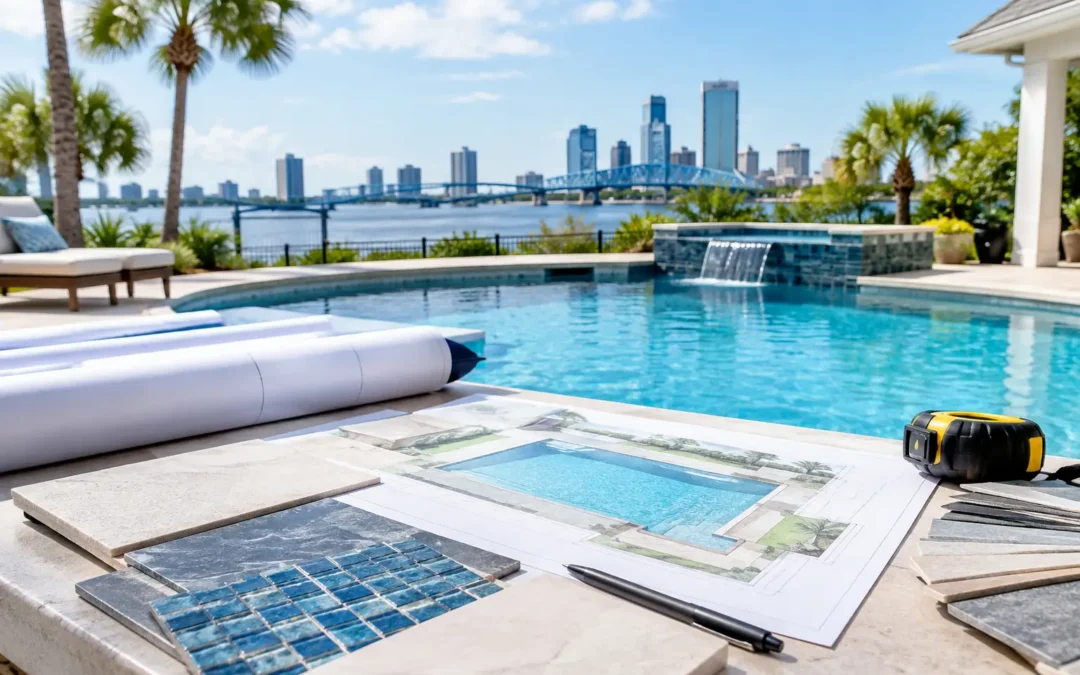
A pool can still hold years of family memories while no longer meeting the way your family lives. Worn plaster, dated waterline tile, high utility bills, and a backyard layout that feels disconnected are all signs that it may be time to make a change. This pool renovation planning guide helps Jacksonville homeowners make smart decisions before construction begins, so the finished space feels intentional, performs reliably, and adds lasting value to the property.
A successful renovation is not simply a collection of new finishes. It is an opportunity to address what is underneath the surface, improve daily operation, and shape an outdoor space that is more comfortable for entertaining, relaxing, and spending time at home.
Start Your Pool Renovation Planning Guide With Priorities
The first question is not, “What tile should we choose?” It is, “What is not working with our pool today?” Your answer should guide the project scope and budget.
For some homeowners, the priority is restoring an aging interior finish that has become rough, stained, or difficult to maintain. For others, the issue is functional: an older pump runs loudly, circulation is inconsistent, or equipment uses more energy than it should. A renovation may also be driven by design, especially when the pool looks dated compared with a newly updated home, patio, or landscape.
Walk through the backyard at different times of day and consider how the area is actually used. Notice where people sit, how traffic moves from the house to the pool, whether there is enough shade, and which views you want to improve or screen. A pool renovation can be limited to resurfacing, but it can also become a complete outdoor living upgrade with new coping, tile, decking, lighting, water features, and better equipment.
It helps to divide your goals into three categories: must-haves, strong preferences, and future wishes. This keeps essential repairs from being overshadowed by attractive add-ons, while still giving your contractor a clear picture of the backyard you want to create.
Assess the Pool Before Choosing Finishes
Beautiful materials matter, but the condition of the pool shell, plumbing, and equipment should come first. Surface discoloration may be cosmetic, but cracks, hollow areas, recurring leaks, or deteriorating coping can point to a more involved repair need. A qualified pool professional can help distinguish between normal wear and issues that require correction before new finishes are installed.
Resurfacing and Replastering Considerations
A new interior finish has one of the largest visual impacts in a renovation. Traditional plaster provides a clean, classic look, while upgraded aggregate finishes can offer more color variation, durability, and texture. The right choice depends on your desired appearance, budget, maintenance expectations, and how the pool is used.
Lighter finishes can make water appear brighter and more reflective. Deeper tones can create a richer, lagoon-inspired look, though they may show certain debris more readily. Texture is also a practical consideration. A finish should feel comfortable underfoot while standing up to years of use and proper water care.
Tile, Coping, and Decking Work Together
Tile and coping frame the pool, so they should complement both the water color and the architecture of the home. A crisp, modern tile line may suit a contemporary outdoor space, while natural stone coping can add warmth and dimension to a more traditional backyard.
Do not choose these materials in isolation. Bring samples into the actual backyard and view them in direct Florida sun, shade, and evening light. Colors can look significantly different outdoors than they do in a showroom. If deck repairs or replacement are part of the plan, consider heat retention, slip resistance, drainage, and the transition between the pool edge and entertaining areas.
Upgrade Equipment for Better Everyday Performance
Many renovation projects are the right time to replace aging equipment. Equipment upgrades are less visible than tile or a new finish, but they can improve convenience, water quality, operating costs, and confidence in the system.
A variable-speed pump is often a practical investment for homeowners with older single-speed equipment because it can run at lower speeds for routine circulation and higher speeds when needed for cleaning or water features. Updated filtration, automation controls, LED lighting, and a properly sized heater can also make the pool easier to enjoy throughout more of the year.
Automation deserves careful consideration for busy households. From a phone or wall-mounted control, homeowners may be able to manage schedules, lighting, water features, and temperature without walking to the equipment pad. The best system is not necessarily the one with the longest feature list. It should be compatible with the pool’s needs, straightforward to use, and supported by quality equipment and professional installation.
If you are adding a spa, sun shelf, waterfall, fire feature, or additional lighting, discuss equipment capacity early. These features may affect pump sizing, plumbing requirements, electrical work, and the overall budget. Planning them from the beginning is usually more efficient than trying to add them after a resurfacing project is complete.
Set a Budget That Reflects the Full Scope
Pool renovation costs vary because no two pools have the same condition, size, access, materials, or goals. A straightforward resurfacing project will have a different budget than a complete transformation involving deck replacement, new coping, extensive plumbing work, and upgraded automation.
Ask for a clear scope that identifies what is included and what may require additional attention once work begins. For example, demolition can reveal damaged plumbing, unstable decking, or structural concerns that were not visible during an initial walkthrough. A dependable contractor will explain these possibilities rather than promise that every project has no variables.
It is also wise to reserve room for decisions that improve the finished result. Homeowners often discover that replacing faded deck sections, improving drainage, or updating one remaining piece of aging equipment makes more sense while the project is already underway. That does not mean every upgrade is necessary. It means the budget should account for informed choices rather than forcing rushed compromises.
Plan Around Jacksonville Weather and Backyard Access
Jacksonville’s warm climate supports an extended pool season, but weather still affects renovation schedules. Heavy rain, humidity, and cold snaps can influence certain installation steps and curing times. A professional project schedule should allow for weather-related adjustments without sacrificing workmanship.
Access is equally important. Contractors may need a path for materials, equipment, and debris removal. Before work begins, discuss gates, landscaping, irrigation lines, pets, parking, and any areas that need protection. If the backyard has limited access, the crew may need to use different methods or equipment, which can affect logistics and cost.
Homeowners should also plan for the pool to be unavailable during construction and startup. The exact timeline depends on the scope, material selections, weather, and whether repairs are needed. A quality renovation should not be rushed simply to meet an arbitrary date. Proper preparation, installation, curing, and balancing protect the investment you are making.
Choose a Contractor Who Takes Ownership of the Details
Pool renovation is a technical construction project, not just a cosmetic service. Look for a local contractor with experience in the types of upgrades you want, a clear process for communication, and a reputation for standing behind the work. Credentials, manufacturer relationships, insurance, and customer feedback can all help you evaluate who will be working in your backyard.
During the consultation, pay attention to the questions being asked. A contractor should want to understand the pool’s condition, your household’s needs, the style of your home, and your expectations for maintenance and operation. They should also be able to explain trade-offs honestly. Premium materials can elevate the result, for example, but they should be selected because they fit your goals, not because they are simply the most expensive option.
Bonafide Custom Pools approaches renovations as complete backyard improvements, pairing tailored design choices with the construction knowledge needed to deliver a reliable finished pool. The goal is a result that looks exceptional on day one and continues to serve your family well over time.
Prepare for a Strong Start After Renovation
Once the project is complete, ask for clear guidance on startup care, water chemistry, equipment operation, and maintenance for the new surface. Fresh finishes have specific curing and brushing requirements, and following them protects the appearance and longevity of the work.
Keep records of equipment settings, warranties, and service recommendations. A few minutes spent learning the new system can prevent unnecessary frustration and help you get the most from upgrades such as automation, variable-speed circulation, or LED lighting.
The best renovation plans balance immediate visual impact with the practical details that make pool ownership easier. When every choice supports how you want to use the backyard, the result is more than a refreshed pool – it is a place your family will be glad to come home to.